How Much Does a Company Website Cost? The Factors That Decide the Price
Quotes for a company website can vary widely. Learn what drives the price and the running costs that are often forgotten before you choose a quotation.
Read the article →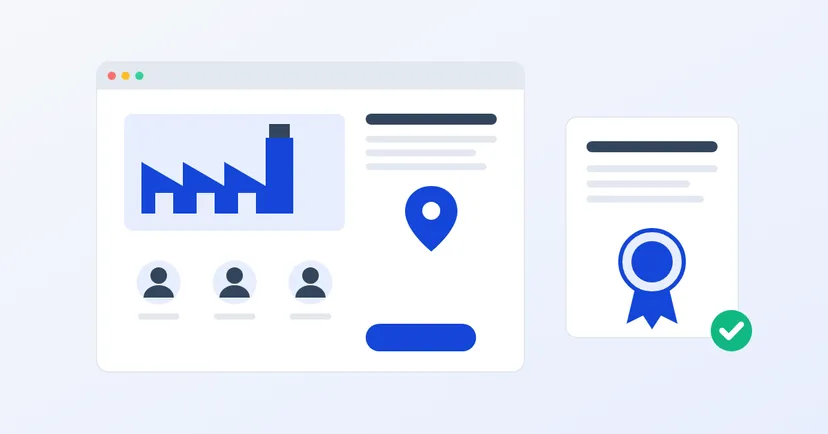
A procurement officer finds your company on Google. Before sending a message, they open one page first: "About Us". They want to know whether the company is real, how long it has been running, and whether it can handle an order the size they need.
Unfortunately, many About pages contain only a vision, a mission and sentences like "we are committed to delivering the best quality". Nothing wrong with that, but it answers nothing. This article covers what an About page should contain to actually help a B2B buyer decide to contact you.
B2B buyers don't buy once and forget. They look for a supplier they can rely on for months, even years. So their questions are practical:
Google thinks along similar lines. In its guidance on helpful content, Google calls trust the most important factor, and suggests readers should be able to find background on who publishes a website, for example through an About page.
Stanford's web credibility research has long recommended something simple: show that there is a real organisation behind the website, and make it easy to contact you. For a company in Indonesia, that means:
Replace general statements with specifics. Compare "we put quality first" with "we check the dimensions of every batch before packing". The second can be pictured, and it can be asked about.
Things worth writing include:
The vision and mission can stay, but put them lower down. Buyers come for facts first.
B2B buyers do business with people, not logos. Stanford's guidelines also recommend showing the honest people behind a website, for example through photos and short staff profiles.
You don't need to show every employee. The leadership and the people who deal directly with buyers are enough: sales, technical or customer service. If a buyer has already seen your salesperson's face and name on the website, the first call is easier for both sides. Give each a name, a job title and a sentence or two about their experience. Ask for their consent before publishing their photo and name, and update the page when someone changes role or leaves.
Claims are more believable when readers can check them. A few safe ways:
Never invent figures, clients or testimonials. One claim found to be untrue can damage trust in the whole website.
About pages are often written once when the website is built, then forgotten. Three years later, the headcount has changed, the address has moved and a certificate has expired. Stanford's guidelines note that updated content, free of small errors such as typos and broken links, helps decide whether a website is trusted.
Schedule a review at least once a year, or whenever something big changes in the company.
Common mistakes:
A good About page doesn't try to sound big. It makes buyers confident that your company is real and reliable.
See also the essential pages for a manufacturer website and tips on product photos for your website. If you want a company profile website that presents all of this neatly, see our company profile website service.
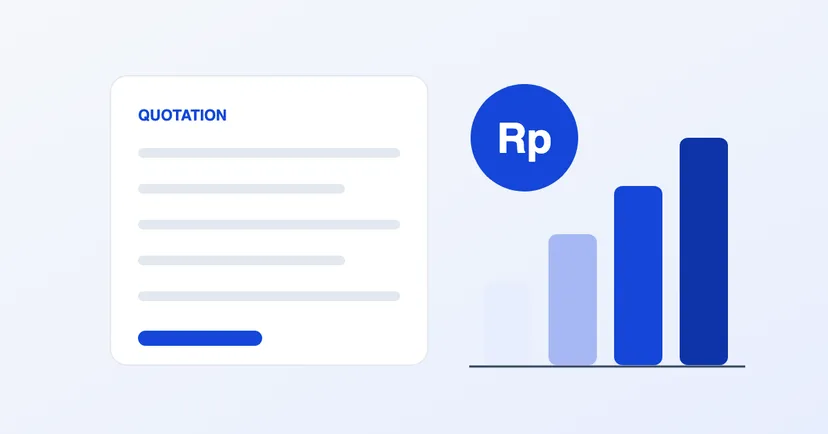
Quotes for a company website can vary widely. Learn what drives the price and the running costs that are often forgotten before you choose a quotation.
Read the article →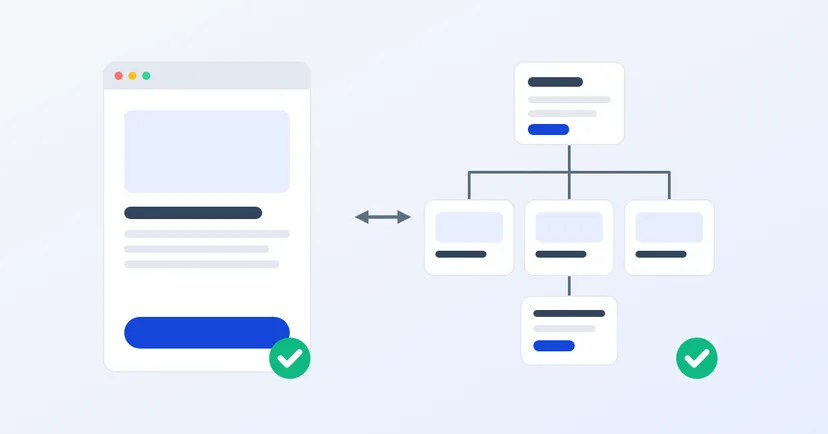
Landing page vs website: when one page is enough, when buyers need a full company website, what an ad landing page needs, and the middle way that uses both.
Read the article →