How Much Does a Company Website Cost? The Factors That Decide the Price
Quotes for a company website can vary widely. Learn what drives the price and the running costs that are often forgotten before you choose a quotation.
Read the article →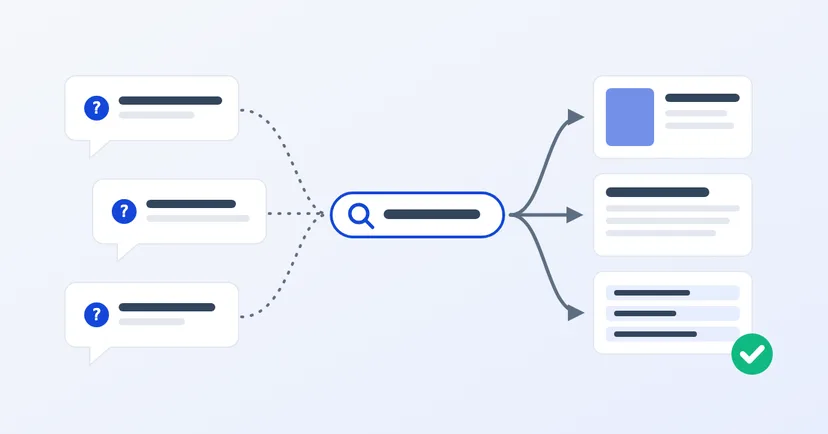
Many keyword research guides start with a tool: type in a word, look at the search volume, pick the biggest. For a B2B business, this often gets confusing. The terms your buyers use are very specific, and research tools show tiny numbers or nothing at all.
Yet the best source of keywords is already inside your company: the questions that reach your sales and admin teams every day. This article explains how to turn those questions into a keyword list, and then into a plan of pages.
B2B buyers rarely search with a single generic word. They search with phrases that describe their problem, mention a specification or name a location. The number of people searching such phrases may be small, but they are people who need something now.
Google itself advises thinking about the words a user might search for to find your content. Google also points out that people who know a topic well may use different words from newcomers. In B2B you get both: engineers who quote technical standards, and purchasing staff who use the everyday name of the item.
Set aside a week or two to collect real questions. Sources include:
What matters is recording the exact words customers use, not a tidied-up version. If a customer writes "how hot can it get before it melts", that is what you note, not the technical name the production team uses.
Once collected, group the questions by the buyer's stage. As an invented example, imagine a plastic pallet manufacturer in Tangerang:
This grouping decides which type of page fits. Early-stage questions are best answered with articles. Late-stage questions are best directed to product pages and the contact page.
Once you have a list, check how people actually type it into Google. There are three straightforward ways:
Don't throw out low-volume phrases straight away. In B2B, one specific question from the right buyer can be worth more than thousands of generic searches.
Now map each group of questions to one page. The rule is simple: one page, one main topic.
Write the answers in the same language as your customers' questions. Use keywords naturally in the title and body. Don't repeat the same words over and over: according to Google, keyword stuffing is against its spam policies. Length isn't something to chase either. Google says it has no preferred word count.
Once a page is published, give it a few weeks, then open the Performance report in Search Console. It shows search queries, clicks, impressions, click-through rate and average position. The default view covers the last three months.
Look for queries with many impressions but few clicks. Perhaps the page title doesn't answer that question well. Look too for new queries you didn't expect. They are often the idea for your next article. Then go back to the sales team: what questions came up this month?
The best keywords for a B2B business aren't the ones with the biggest volume, but the ones that sound most like your buyers' questions.
Read also how to write articles for a company website, how to get your website on Google and how to measure your website's results. Need help building pages from your customers' questions? Contact us.
Quotes for a company website can vary widely. Learn what drives the price and the running costs that are often forgotten before you choose a quotation.
Read the article →
What a website development contract must cover: scope, staged payments, rights to the design and code, a domain in your company's name, personal data, handover.
Read the article →