How Much Does a Company Website Cost? The Factors That Decide the Price
Quotes for a company website can vary widely. Learn what drives the price and the running costs that are often forgotten before you choose a quotation.
Read the article →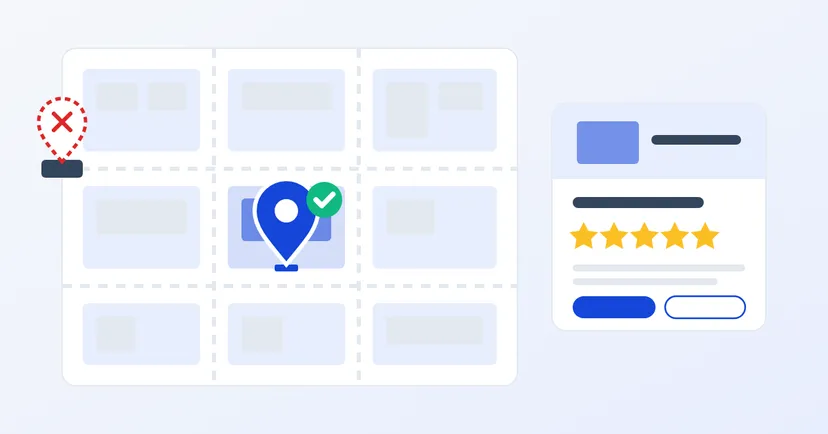
Factories and warehouses in industrial estates have a problem that roadside shops rarely face. Their address is an estate name, a block and a plot number. There are many gates. A supplier's lorry driver phones for directions because the point on Google Maps marks the building next door. A buyer from another city searches for "factory" plus a product name and a city, and other companies show up instead.
Local SEO helps your company be found by people searching near your location, and helps them actually get there. This article covers the steps that matter most for factories and warehouses.
According to Google, local search results are mainly determined by three things:
Google also states that there is no way to request or pay for a better local ranking. So what you can do is make your information as complete and accurate as possible.
Your Business Profile on Google is the heart of local SEO. According to Google's guidelines, a business can create a profile if it has a physical location customers can visit, or if it travels to customers. If your factory receives buyer visits, meetings or collections, that location clearly qualifies. If the factory never receives visitors at all, read the guidelines first, because the answer depends on how you serve customers.
A few things need filling in correctly:
Then verify your profile. According to Google, a verified profile is more likely to show up in search results.
This is where factories most often go wrong. Write the address in full: estate name, street name inside the estate, block, plot number, sub-district, district and city. Google's guidelines do allow details such as building numbers and floors in an address.
Then check the map point. If your address has no street number or Google can't find it, you can place the pin directly on the map. Move the pin exactly to the gate visitors use, not to the middle of the estate or to the estate management office.
One more thing: don't use a virtual office or PO box address. According to Google's guidelines, such locations aren't eligible for a Business Profile.
Your Google profile should be backed up by your website. Create a contact or location page that includes:
Your website developer can also add LocalBusiness structured data. It tells Google your location's name, address, coordinates, phone number and opening hours in a machine-readable format.
On product pages and articles, mention the areas you serve naturally. For ideas on the words buyers use, start with the questions your sales team hears most often.
According to Google, more reviews and positive ratings can help your local ranking. Factories get fewer reviews than restaurants, but they can still get them. Ask customers who have visited or have worked with you for a long time to write about their experience. Reply to every review, including the less positive ones, politely and clearly.
What you mustn't do: pay for reviews, offer discounts or gifts in exchange for reviews, or ask employees to write reviews. Google's policies prohibit all of these.
Add real photos as well: the gate, the building, production areas you are happy to show, and products. Photos help potential buyers picture the scale of your operation.
Local SEO for a factory isn't about tricks. The core is simple: correct information, the same everywhere, and a pin that points to the right gate.
Read also the Google Business Profile guide for B2B companies, the essential pages for a manufacturer's website and keyword research from customer questions. Want a factory website that is easy to find? Contact us.
Quotes for a company website can vary widely. Learn what drives the price and the running costs that are often forgotten before you choose a quotation.
Read the article →
What a website development contract must cover: scope, staged payments, rights to the design and code, a domain in your company's name, personal data, handover.
Read the article →