A week of bot requests: two thirds were after .env files
In our sensor's first full week, bots sent 1,744 requests to digimasi.com from 91 addresses. Two thirds hunted for .env files. The data, and what to check.
Read the article →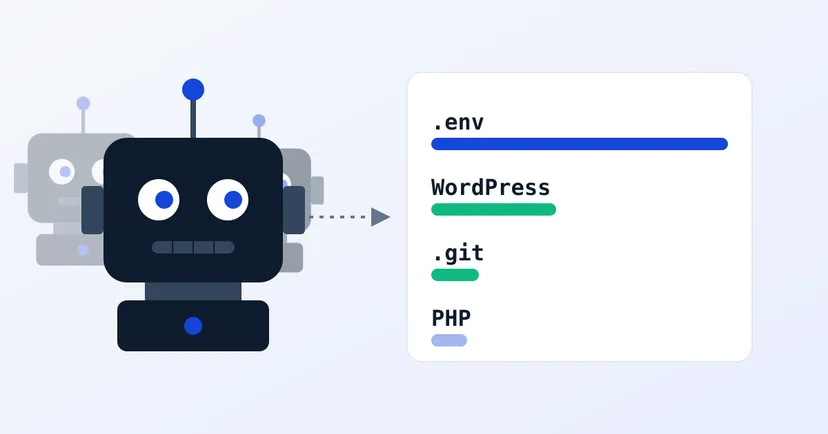
Last week we wrote about the first week of the sensor on digimasi.com: 1,744 requests from bots, two thirds of them looking for .env files. Now the second week is complete, from Monday 19 to Sunday 25 October. The number of requests is almost the same, but far more bots came, and what they look for is starting to shift.
None of them succeeded. The files they asked for simply do not exist on our website, so every one of them got a "not found" page.
So this week was not about busier bots, but about more of them. More addresses stopped by, and each sent fewer requests.
Last week, one network (Virtualine Technologies) sent 846 requests from just 3 addresses, almost half of the total. This week that network fell to 325 requests from 5 addresses. The top spot is now Google LLC: 612 requests, but from 28 addresses. Then come TECHOFF SRV LIMITED (273 from 11 addresses), TC DATACENTER (185 from 8 addresses) and DigitalOcean (77 from 24 addresses). The network name is the owner of the address block, usually a server or cloud provider. Anyone who rents a server there can use it, so it does not mean the company itself sent the requests.
The countries are more even too. Germany is still on top (376 requests), but far below last week's 950. The Netherlands (347), the United States (270, from 30 addresses), Belgium (238) and Poland (185) follow, and Italy (100) and Japan (59) entered the top ten.
There were 16 login guesses, the same as last week, but the two numbers cannot be compared directly. From this week we no longer count WordPress pingbacks as login guesses, because they carry web addresses, not a username and a password. So all 16 this week are real login attempts. As last week, none of them used a stock username such as "admin", so the username list in the weekly record is empty again.
You can check all of this yourself in five minutes, on your own website:
We only observe. All the data comes from bots that came to digimasi.com on their own; we never scan other people's websites, and we do not show IP addresses here. Addresses that clearly attacked us are reported to AbuseIPDB. The full method is on the methodology page, and each week's numbers are on the weekly record page.
Data: Digimasi security research, weekly sensor records (https://doi.org/10.5281/zenodo.23655270).
We will keep recording and comparing the results week by week.
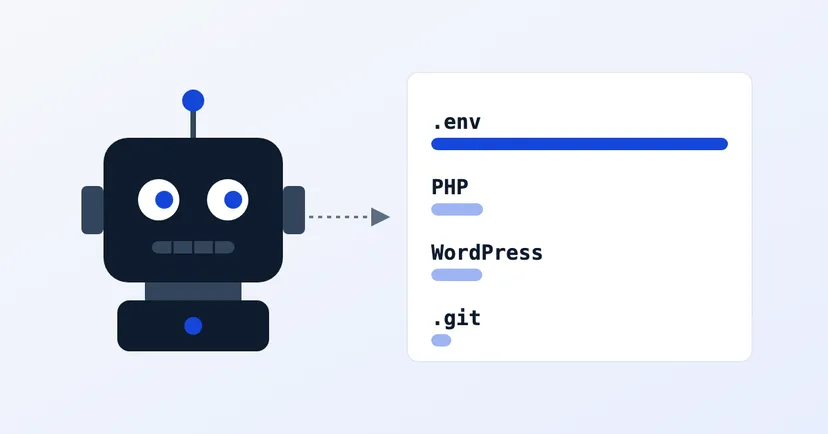
In our sensor's first full week, bots sent 1,744 requests to digimasi.com from 91 addresses. Two thirds hunted for .env files. The data, and what to check.
Read the article →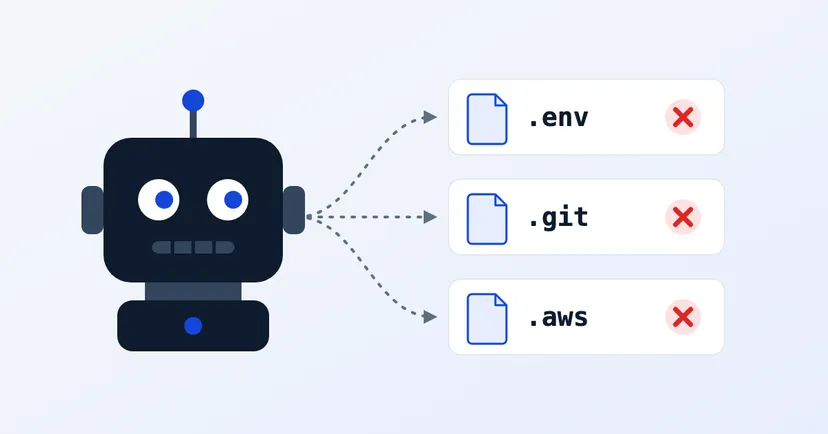
In 17 hours, bots sent 58 requests to digimasi.com looking for .env files, the .git folder, cloud keys and AI keys. The data, and how to check your site.
Read the article →